The Truth About Conditioning and Cross-Training for Dancers
By PNB School Assistant Principal Deborah Kenner, PhD
There’s been a lot of buzz in the dance world—and on social media—about conditioning and cross-training. Everywhere you look, coaches and influencers are offering programs that promise to improve flexibility, build strength, and elevate technique.
But with so much information (and misinformation) out there, it’s important to understand what these methods actually involve—and how to use them safely and effectively to support a dancer’s training and longevity.
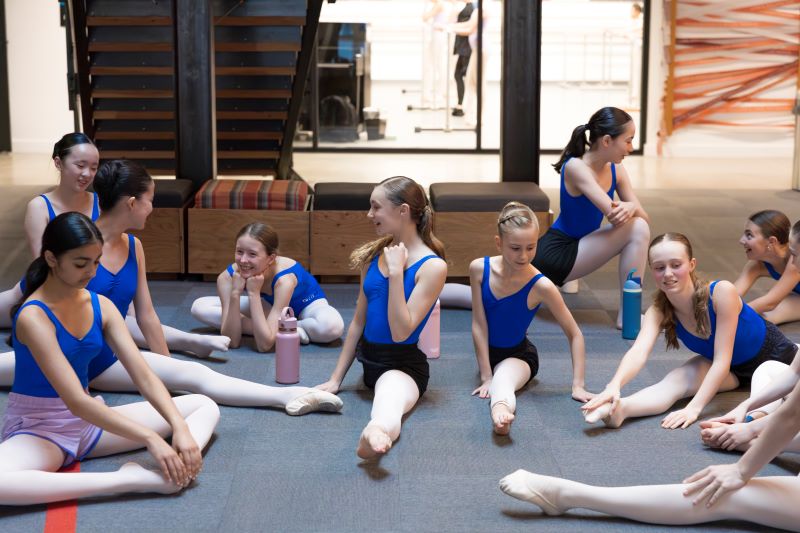
PNB School students, photo © Angela Sterling.
What Is Cross-Training?
Cross-training is the practice of incorporating exercises outside of traditional dance technique to support and enhance overall performance. These exercises are intentionally different from dance and offer a variety of movement patterns that:
- Promote full-body strength and mobility
- Correct muscular imbalances
- Help prevent overuse injuries
- Support well-rounded physical development
Most importantly, effective cross-training is age-appropriate and designed with injury prevention in mind.
Why It Matters
Dance is physically demanding and often involves highly repetitive movements. Without proper conditioning, dancers are more susceptible to injury, fatigue, and burnout.
Thoughtful cross-training supports:
- Improved technique through increased core strength and control
- Injury prevention by strengthening and stabilizing underused muscles
- Enhanced flexibility, developed with control and stability
- Longevity in a dancer’s training and performance career
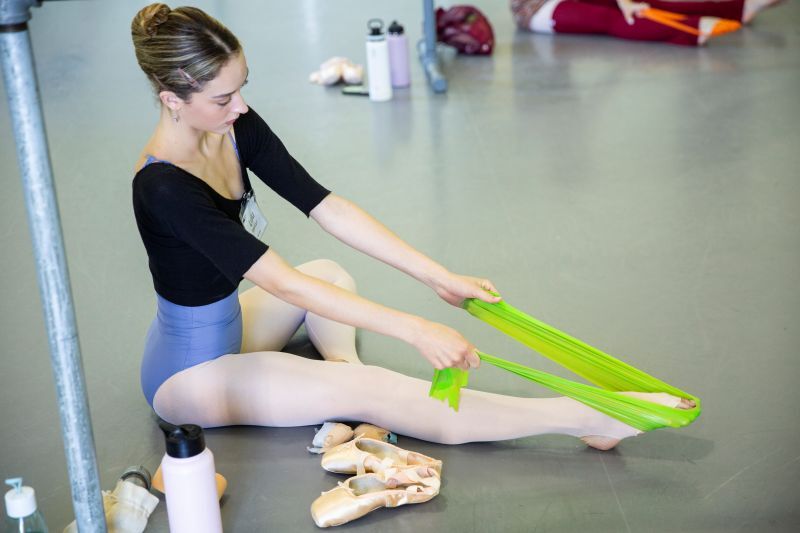
PNB School students, photo © Angela Sterling.
What Should Cross-Training Include?
Not all programs are created equal. Effective cross-training for dancers should:
- Include a mix of strength, flexibility, and mobility work
- Be well-balanced, targeting muscles that dance may overlook
- Focus on active flexibility (not just passive stretching)
- Emphasize form, control, and safe progression
- Be tailored to the dancer’s age, level, and individual goals
Building Strength and Flexibility the Right Way
To train effectively and avoid injury:
DO:
- Warm up before stretching or strength work
- Use dynamic and active stretches to build control
- Train strength through a full range of motion
- Include core stability in every session
- Allow for adequate rest and recovery
AVOID:
- Relying only on passive stretching (which lacks strength benefits)
- Training without proper supervision or guidance
- Copying viral social media routines that aren’t personalized
- Ignoring signs of fatigue, pain, or burnout
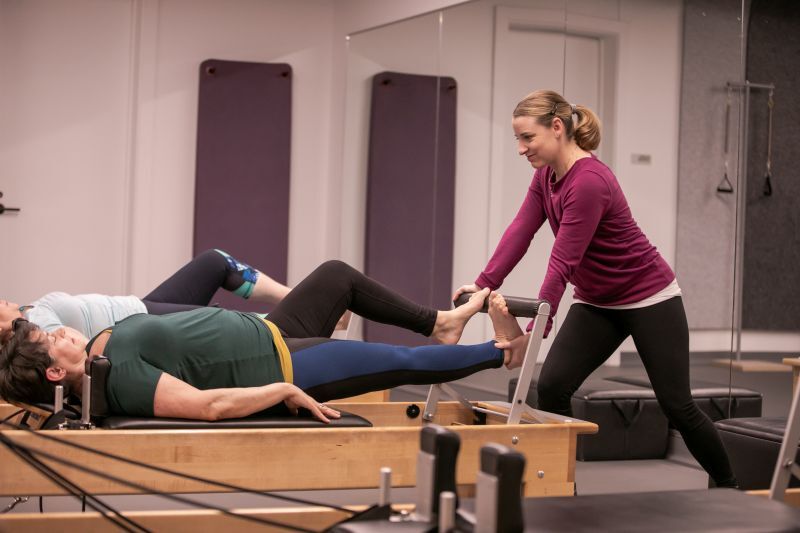
Deborah Kenner and PNB School students, photo © Angela Sterling.
Pilates at PNB School: A Space for Strength, Stability, and Wellness
At both the Phelps Center and the Francia Russell Center, Pacific Northwest Ballet School offers dedicated Pilates spaces—beautifully equipped and open to both dancers and non-dancers.
A knowledgeable conditioning team leads our Pilates program with expertise in:
- Dance science
- Injury prevention
- Fitness and wellness
- Aging and long-term health
Originally developed by Joseph Pilates, this method enhances posture, flexibility, balance, and coordination. By integrating breath, control, centering, precision, concentration, and flow, participants improve their strength and stability from the inside out.
Whether you’re recovering from injury, supporting your dance training, or simply looking to build strength and mobility, Pilates at PNB isn’t just for dancers—it’s for every-body.
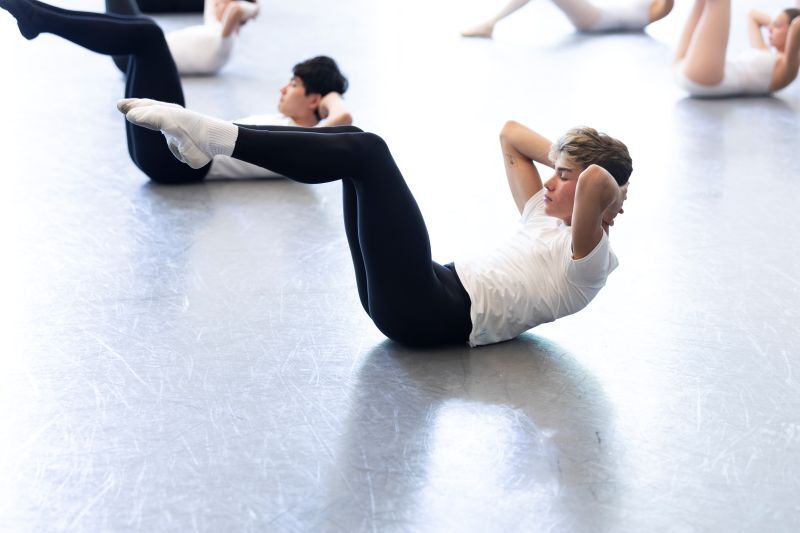
PNB School students, photo © Angela Sterling.
Navigating Injury and Recovery: A New Resource at Pacific Northwest Ballet School
Even with smart training, injuries can happen. Whether it’s a minor strain or a more significant issue, one of the hardest parts of recovery is remembering that an injury doesn’t define your future.
Taking time off to heal isn’t a setback—it’s an investment in your long-term health and performance.
Still, returning to dance after an injury can feel uncertain. Questions like Am I ready? Will I fall behind? What if I get hurt again? are normal. That’s why having a support system—including teachers, physical therapists, medical professionals, and family—is so important.
New this year at PNB School is our Injury Recovery Class.
This class offers a safe, supportive, and progressive environment for dancers returning to training after injury. Using protocols from your physical therapist or doctor, we’ll create individualized modifications to support a structured return to full activity.
Whether you’re recovering from a recent injury or rebuilding after time away, this class is designed to help you:
- Regain strength and technique
- Prevent reinjury
- Restore confidence in movement
Because healing is not a detour—it’s part of the journey.

Deborah Kenner and PNB School students, photo © Angela Sterling.
Final Thoughts: Conditioning with Purpose
Cross-training isn’t about doing more—it’s about doing what’s missing. When approached correctly, it can unlock strength, control, and technical gains that dance training alone can’t always provide.
But with so many programs and voices out there, it’s crucial to work with professionals who understand both dance and developmental needs.
The right approach to conditioning doesn’t just support your dancer’s technique—it supports their health, confidence, and long-term success.